How to Install Printer Drivers on Windows 11?
Installing the correct printer driver is one of the most important steps when setting up a printer on Windows 11. A printer driver acts as a bridge between your computer and the printer, allowing both devices to communicate properly. Without the correct driver, your printer may not print, scan, or respond to commands.
Windows 11 can automatically detect and install drivers for many printers. However, some printers require a manual driver installation to unlock all features and ensure the best performance. If the wrong driver is installed or the driver becomes outdated or corrupted, you may experience problems such as printing errors, communication issues, or the printer appearing offline.
The good news is that installing printer drivers on Windows 11 is usually a simple process. By following a few basic steps and keeping your system updated, you can complete the installation and enjoy reliable printing.
Why Are Printer Drivers Important?
Printer drivers allow Windows 11 to communicate with your printer.
Without a compatible driver, your computer cannot send print jobs correctly.
Installing the correct driver improves print quality, communication, and overall printer performance.
Updated drivers also help reduce software-related issues.
Connect Your Printer
-
Before installing the driver, make sure your printer is ready.
-
If you are using a wired printer, connect it securely to your computer.
-
If you are using a wireless printer, connect it to your Wi-Fi network.
-
Power on the printer and allow it to finish starting.
Check Windows 11 for Automatic Installation
-
Windows 11 often installs printer drivers automatically.
-
Open the printer settings and check whether your printer has been detected.
-
If Windows installs the driver successfully, print a test page to verify the installation.
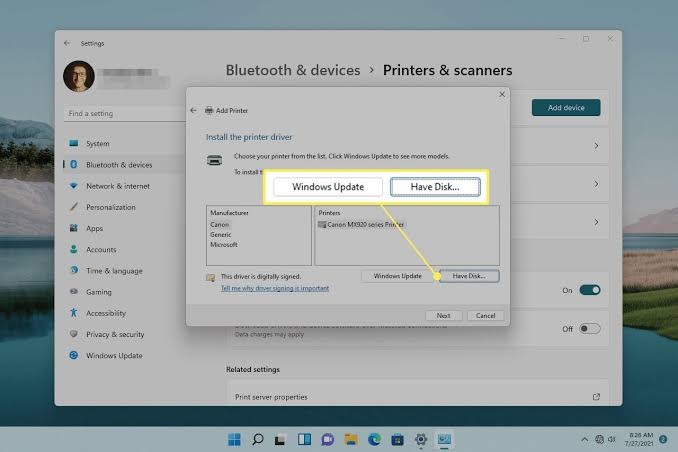
Install the Printer Driver Manually
-
If Windows does not install the correct driver automatically, install it manually.
-
Choose the driver that matches your printer model and operating system.
-
Follow the installation instructions carefully.
-
Allow the installation process to finish completely before using the printer.
Restart Your Computer
-
After installing the printer driver, restart your Windows 11 computer.
-
A restart completes the installation and refreshes communication between the computer and printer.
Verify the Printer Installation
-
Open the printer settings in Windows 11.
-
Confirm that your printer appears in the list of available devices.
-
Set it as the default printer if necessary.
-
A properly installed printer should appear online and ready to print.
Print a Test Page
-
Print a test page after completing the installation.
-
A successful test confirms that the driver is working correctly.
-
If the printer does not respond, continue with additional troubleshooting.
Update the Printer Driver
-
Even after installation, it is important to keep the driver updated.
-
Driver updates improve compatibility, performance, and security.
-
Updated drivers also help prevent communication and printing problems.
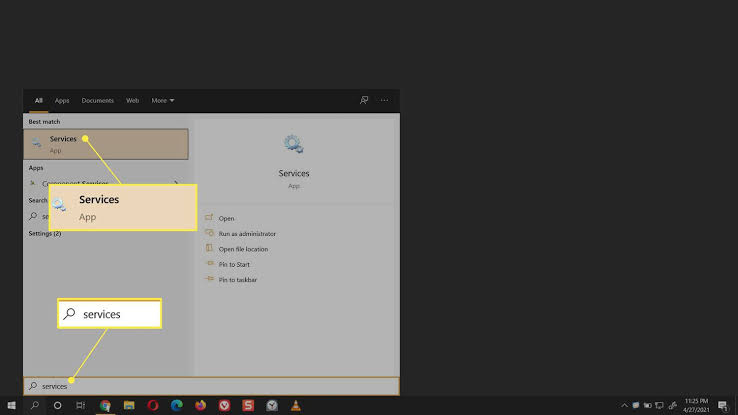
Remove Old Printer Drivers
-
Old or damaged printer drivers may interfere with the new installation.
-
Remove unused printer drivers if they are no longer needed.
-
Restart your computer after making changes.
-
This helps prevent driver conflicts.
Install Windows 11 Updates
-
Operating system updates improve compatibility with printers and drivers.
-
Check for available Windows 11 updates.
-
Install them if necessary.
-
Restart your computer after completing the updates.
Common Reasons Printer Driver Installation Fails
Several issues can interrupt the installation process.
Common causes include:
-
Incorrect printer driver.
-
Damaged driver files.
-
Interrupted installation.
-
Weak internet connection.
-
Outdated Windows version.
-
Printer not connected properly.
-
Software conflicts.
-
Insufficient user permissions.
-
Corrupted system files.
-
Temporary operating system errors.
-
Printer detection problems.
-
Compatibility issues.
Reviewing these possibilities helps identify the issue more quickly.
Tips for Successful Printer Driver Installation
Following good practices helps ensure a smooth installation.
-
Use the correct printer driver for your printer model.
-
Keep Windows 11 updated.
-
Restart your computer after installation.
-
Verify printer connections.
-
Remove old printer drivers when necessary.
-
Print a test page after installation.
-
Keep the printer powered on during setup.
-
Install driver updates regularly.
These simple habits help improve printer performance.
FAQs
Why do I need a printer driver on Windows 11?
A printer driver allows Windows 11 to communicate with your printer and process print jobs correctly.
Can Windows 11 install printer drivers automatically?
Yes. Windows 11 can automatically install drivers for many printers, although some models require manual installation.
Why is my printer not working after installing the driver?
Possible causes include an incorrect driver, outdated Windows software, damaged driver files, or connection problems.
Should I restart my computer after installing a printer driver?
Yes. Restarting your computer helps complete the installation and refreshes system communication.
Why should I update my printer driver?
Updated drivers improve compatibility, performance, and security while reducing printing errors.
When should I get printer help?
Additional printer help may be useful if your printer continues having driver-related issues after completing the recommended troubleshooting steps.
Conclusion
Installing the correct printer driver on Windows 11 is essential for reliable printing and smooth communication between your computer and printer. Without the proper driver, your printer may not function correctly or may experience recurring errors.
Connecting the printer properly, allowing Windows 11 to detect it, installing the correct driver, updating the driver regularly, removing old drivers, and keeping Windows updated can help ensure successful installation and reliable performance.
Routine maintenance and software updates help prevent future driver issues. If your printer continues experiencing problems after following these installation steps, additional printer help may be needed to identify and resolve the underlying cause.
.jpg)